
10

FEB

26

Charting the translational pathway: ISSCR best practices for the development of PSC-derived therapies.

The successful translation of a stem cell-derived product from the laboratory into an approved medicine requires specific scientific, technical, and regulatory understanding. Since this knowledge base is fragmented across websites and publications, the ISSCR has developed a new resource, The Best...

Learn more

Institute for Stem cell Therapy and Exploration of Monogenic diseases

In 2026, advancing research on rare and ultra-rare monogenic diseases requires the mobilization of significant human and technological resources. Within I-Stem, we are all mobilized around this common objective.

80

Between scientists and support functions, 80 people currently work at I-Stem.

Teams at the service of ambitious therapeutic objectives

Reasearch
teams

I-Stem brings together within its research teams the expertise and know-how of researchers, teacher-researchers, engineers and technicians. Retinopathies, genodermatoses, Limb-girdle muscular dystrophies, neuromuscular diseases & Myelinated fibers are part of our main scientific themes.

Triails
clinics

Clinical trials are a crucial step in the development of treatments for any pathology. I-Stem is the sponsor of several trials and supports others through partnerships.
stemCARE
Technology plateform

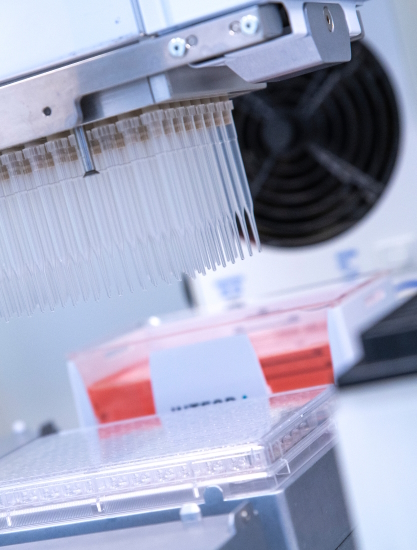
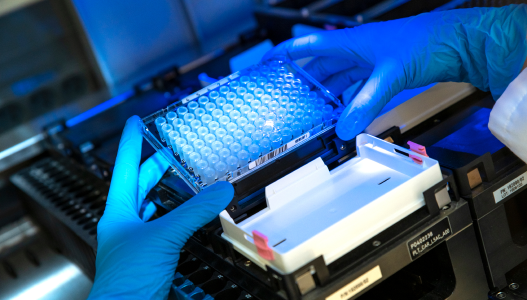
Excellent research requires state-of-the-art equipment. I-Stem is equipped with technological platforms allowing its research teams to optimize their fundamental, pre-clinical and clinical research projects.

News

  • News
  • Publications
Event

19 January 2026

Dr. Meryem Baghdadi will present her work at I-Stem on January 22, 2026. : Mechano-sensing of the niche regulates stem cell fate decision.

Press release

27 February 2025

The French company “The Drug Cell” (TDC) has just been officially created, marking a decisive step forward for the European cell therapy sector.

Press release

16 January 2025

For the 2024 edition of its call for proposals, GIS IBiSA has defined several priority themes, including pluripotent stem cells.
Among the structures specialized in this field, the stemCARE technology platform has been selected for labeling.

Retinopathies.

10 February 2026

The successful translation of a stem cell-derived product from the laboratory into an approved medicine requires specific scientific, technical, and regulatory understanding. Since this knowledge base is fragmented across websites and publications, the ISSCR has developed a new resource, The Best...

The DMD gene, which encodes the protein dystrophin, is involved in a group of diseases known as dystrophinopathies, which includes Duchenne Muscular Dystrophy (DMD). DMD is a progressive and lethal muscular disorder mainly affecting boys that results from the loss of function of the longer dystro...

Neuroplasticity and Th.

19 December 2025

West Nile virus (WNV) is a mosquito-borne virus that causes severe neurological disease in humans. Despite substantial advances, our knowledge of the mechanisms involved in damaging the human brain is still limited. To address this gap, we developed a physiologically relevant in vitro model using...

I-Stem is a member of the Institute of Biotherapies for Rare Diseases created by the AFM - Telethon